What Is a Geothermal Flow Center? | Complete Guide to Geothermal Pumping Modules
As energy efficiency and sustainability become top priorities for homeowners and businesses, geothermal HVAC systems are gaining popularity. These systems provide reliable heating and cooling by harnessing the stable temperatures beneath the earth’s surface. However, behind every efficient geothermal system is a critical component that often goes unnoticed, the geothermal flow center.
If you’re considering a geothermal system or simply want to understand how these systems operate, it’s essential to know what a geothermal flow center is and why it plays such a vital role.
In this comprehensive guide, we’ll explore everything you need to know about geothermal flow centers, including how they work, their components, benefits, and how they support overall system performance.
Ready to upgrade your geothermal system?
Understanding Geothermal HVAC Systems
Before diving into flow centers, it’s important to understand the basics of a geothermal HVAC system.
A geothermal system works by circulating a fluid (usually water or a water-antifreeze mixture) through underground pipes, known as a loop system. This fluid absorbs heat from the ground in winter and transfers heat back into the ground in summer.
The system typically includes:
Ground loop (closed or open loop)
Heat pump
Air delivery system (ductwork)
Flow center (pumping module)
Among these, the flow center acts as the circulatory system, keeping the fluid moving efficiently between the ground loop and the heat pump.
What Is a Geothermal Flow Center?
A geothermal flow center is a pre-assembled pumping module that circulates fluid through the ground loop of a geothermal HVAC system. It ensures consistent flow, maintains pressure, and supports optimal heat transfer.
In simpler terms, it’s the component responsible for moving the heat-exchange fluid throughout the system.
Flow centers are typically installed indoors near the geothermal heat pump and are designed to:
Pump fluid through the loop system
Remove air from the system
Maintain proper pressure levels
Ensure efficient heat exchange
Without a properly functioning flow center, the entire geothermal system would struggle to operate efficiently, or at all.
Key Components of a Geothermal Flow Center
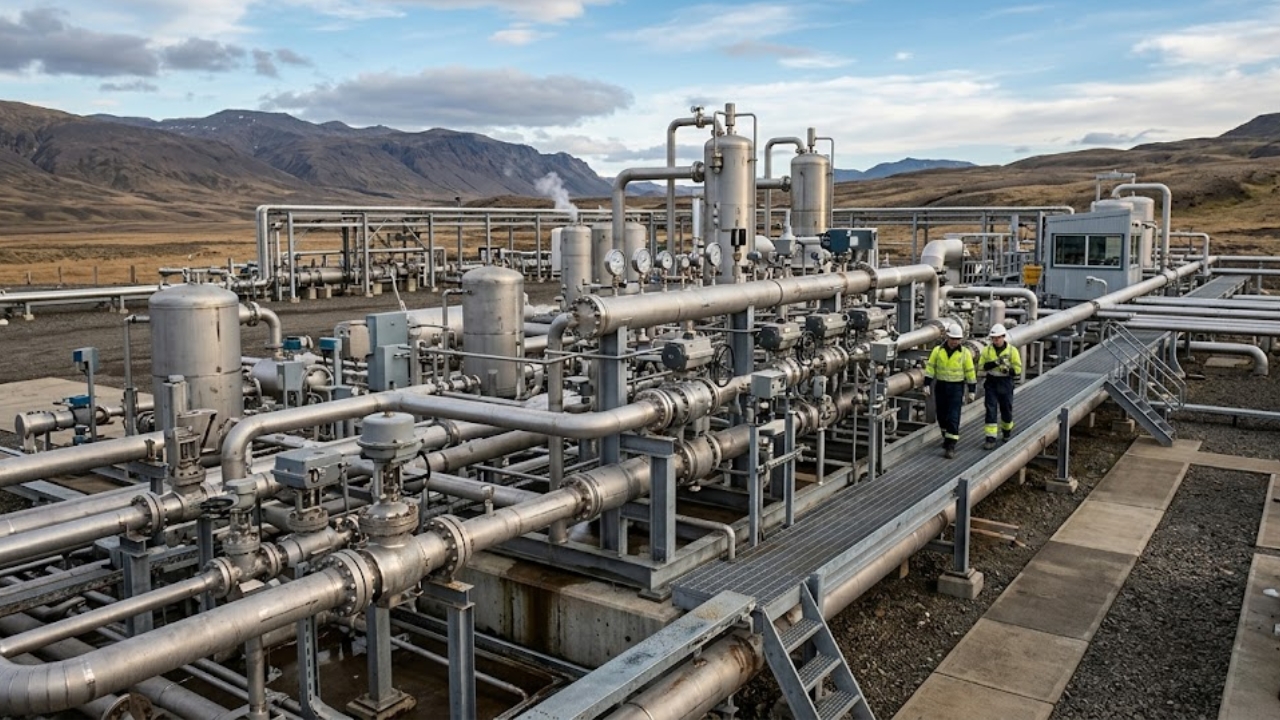
A geothermal flow center is made up of several essential components that work together to regulate fluid movement and system performance.
1. Circulation Pumps
At the heart of the flow center, circulation pumps move the fluid through the ground loop. Depending on system size, there may be one or two pumps.
Single pump systems: Typically used in smaller residential setups
Dual pump systems: Provide higher flow rates and redundancy
2. Flow Controller
The flow controller ensures that the correct amount of fluid is circulating through the system. Maintaining proper flow is critical for efficient heat transfer.
3. Check Valves
Check valves prevent backflow, ensuring the fluid moves in the correct direction. This helps maintain system efficiency and protects components.
4. Isolation Valves
Isolation valves allow technicians to service or repair the system without draining the entire loop.
5. Pressure and Temperature Ports
These ports allow technicians to monitor system performance and diagnose potential issues.
6. Air Separator (or Purge System)
Air trapped in the loop can reduce efficiency and cause damage. The flow center includes mechanisms to remove air and keep the system running smoothly.
How a Geothermal Flow Center Works
The operation of a geothermal flow center is relatively straightforward but crucial to system performance.
The flow center pumps fluid into the ground loop
The fluid travels through underground pipes, exchanging heat with the earth
The fluid returns to the heat pump
The heat pump extracts or releases heat, depending on the season
The cycle repeats continuously
The flow center ensures this process happens consistently and efficiently by maintaining proper flow rate and pressure.
Types of Geothermal Flow Centers
Not all flow centers are the same. The type you choose depends on your system’s size, complexity, and performance requirements.
1. Non-Pressurized Flow Centers
These systems use a reservoir tank and are open to atmospheric pressure.
Benefits:
Easier to install and maintain
Simplified air removal
Lower risk of pressure-related issues
2. Pressurized Flow Centers
These systems are sealed and operate under pressure.
Benefits:
More compact design
Higher efficiency in some applications
Reduced risk of contamination
3. Single Pump Flow Centers
Designed for smaller systems, these use one pump to circulate fluid.
4. Dual Pump Flow Centers
Used in larger systems, these provide:
Increased flow capacity
Backup in case one pump fails
Improved system reliability
Why the Flow Center Is Critical for System Performance
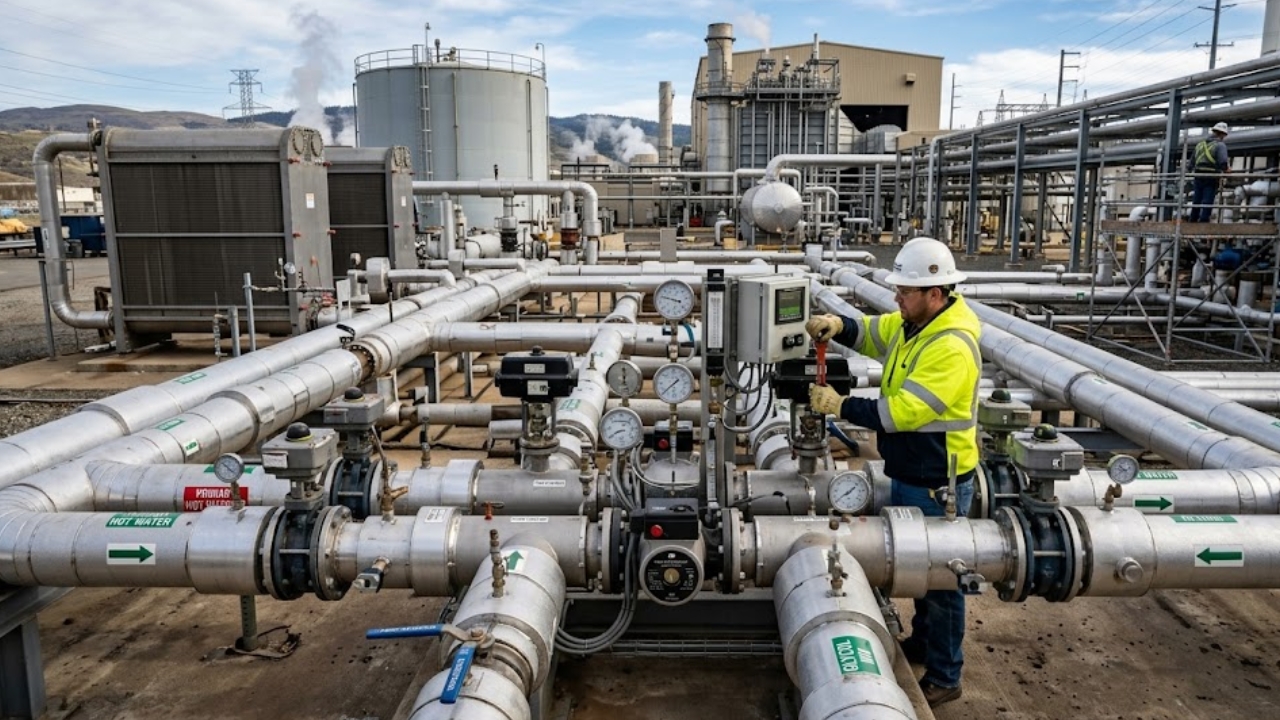
The geothermal flow center plays a direct role in how efficiently your HVAC system operates.
Consistent Heat Transfer
Proper fluid circulation ensures effective heat exchange between the ground and the building.
Energy Efficiency
An optimized flow center reduces the energy required to move fluid, lowering overall operating costs.
System Longevity
Maintaining proper pressure and flow helps prevent wear and tear on system components.
Reduced Risk of Failure
By eliminating air and maintaining consistent performance, the flow center minimizes the risk of breakdowns.
Benefits of a High-Quality Geothermal Flow Center
Investing in a well-designed flow center offers several advantages:
Improved Efficiency
Better flow control leads to more efficient heating and cooling.
Lower Operating Costs
Efficient circulation reduces energy consumption.
Quiet Operation
Modern flow centers are designed for minimal noise.
Easy Maintenance
Pre-assembled modules simplify installation and servicing.
Reliable Performance
High-quality components ensure long-term durability.
Common Issues with Geothermal Flow Centers
Like any mechanical component, flow centers can experience issues over time.
Air in the System
Air pockets can reduce efficiency and cause noise.
Pump Failure
Circulation pumps may wear out or fail if not properly maintained.
Incorrect Flow Rate
Too much or too little flow can impact heat transfer.
Leaks or Pressure Loss
Leaks can reduce system performance and require immediate attention.
Maintenance Tips for Optimal Performance
Proper maintenance ensures your geothermal flow center operates efficiently for years to come.
Regular Inspections
Check for leaks, unusual noises, and pressure issues.
Monitor Flow Rates
Ensure the system maintains proper flow levels.
Flush the System
Periodic flushing removes debris and air buildup.
Check Pump Performance
Ensure pumps are operating efficiently and replace them when needed.
Work with Professionals
Routine servicing by experienced technicians helps prevent major issues.
Choosing the Right Geothermal Flow Center
Selecting the right flow center depends on several factors:
Size of your geothermal system
Type of ground loop
Required flow rate
Energy efficiency goals
Budget
Working with experienced HVAC professionals ensures you choose a system that meets your needs and delivers optimal performance.
The Role of Flow Centers in Sustainable Energy Solutions
Geothermal systems are one of the most sustainable HVAC solutions available, and the flow center plays a key role in maximizing their efficiency.
By ensuring proper fluid circulation and minimizing energy waste, flow centers help:
Reduce carbon emissions
Lower energy consumption
Support long-term sustainability goals
Conclusion
A geothermal flow center may not be the most visible part of a geothermal HVAC system, but it is undoubtedly one of the most important.
By controlling fluid movement, maintaining pressure, and ensuring efficient heat transfer, the flow center enables the entire system to function effectively. Whether you’re installing a new geothermal system or maintaining an existing one, understanding the role of the flow center can help you make better decisions and maximize performance.
Investing in a high-quality geothermal pumping module, and maintaining it properly ensures reliable, energy-efficient heating and cooling for years to come.
FAQs
1. What does a geothermal flow center do?
A geothermal flow center circulates fluid through the ground loop, ensuring proper heat exchange and system efficiency.
2. Is a flow center necessary for all geothermal systems?
Yes, most geothermal HVAC systems require a flow center or pumping module to maintain proper fluid circulation.
3. What is the difference between pressurized and non-pressurized flow centers?
Pressurized systems are sealed and operate under pressure, while non-pressurized systems use a reservoir and are easier to maintain.
4. How long does a geothermal flow center last?
With proper maintenance, a flow center can last 10–20 years, though pumps may need replacement sooner.
5. Can I install a geothermal flow center myself?
Installation is best handled by professionals to ensure proper setup, efficiency, and system safety.